
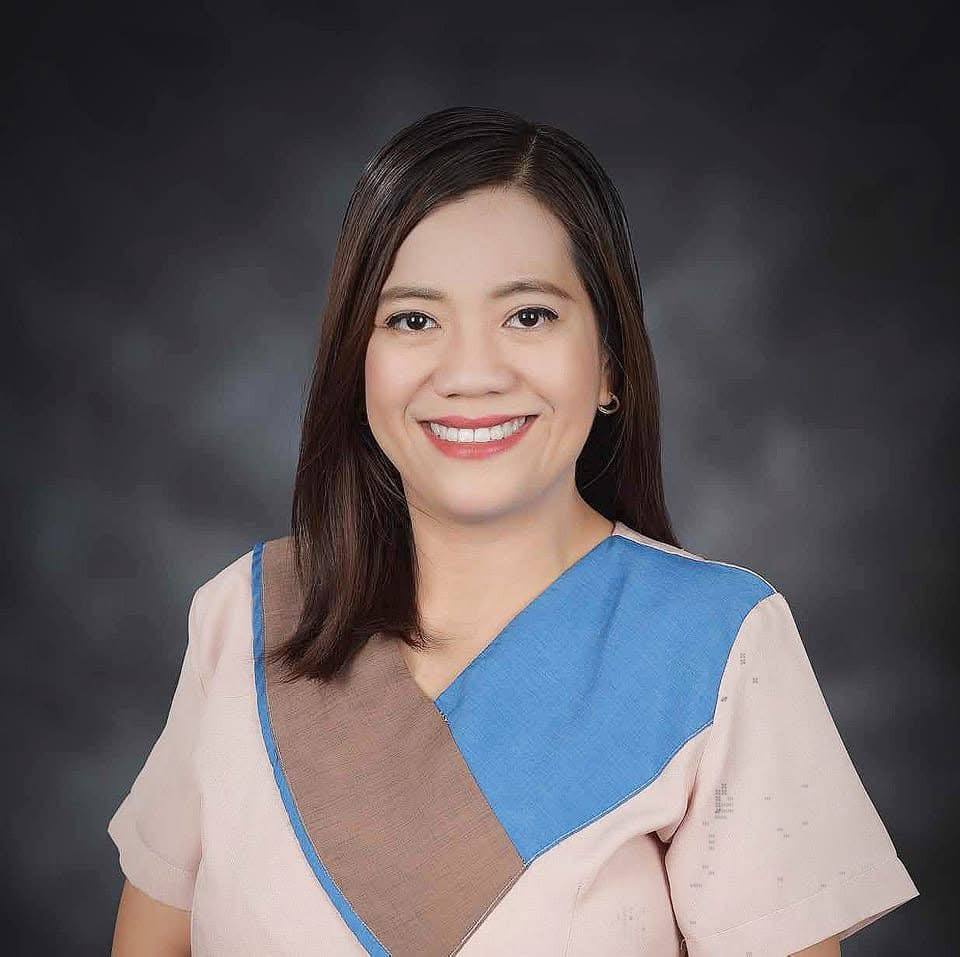
by: Anna Liza Diomampo Santos
For many years, the Department of Education has proposed various programs to support students with disabilities. These initiatives include services for students with physical impairments, those who are deaf or mute, and individuals with cerebral palsy, muscular dystrophy, amputated limbs, or chronic illnesses. The programs also address students facing psychological trauma and those with neurodevelopmental disorders, including those across the autism spectrum.
It has long been my dream to be part of a learning community that supports children with special needs. I have always aspired to be a teacher who treats these learners with fairness, dignity, and unconditional love. I want these children to feel that they truly belong—that they are accepted for who they are, regardless of how they look or how different they may seem. Inclusion is not just a policy; it’s a promise.
One of the most meaningful milestones in this journey was the release of DepEd Order No. 44, s. 2021, which outlines a comprehensive framework for special education. It equips the teaching community to embrace inclusive education for learners with disabilities. When I read this order, I asked myself: Am I ready to be one of these facilitators of inclusive learning? How will I support a child with special needs in a mainstream classroom? What strategies will help me rise to the challenges ahead?
Years later, life brought me an even more personal perspective. I became a mother—a mom filled with hope and dreams for her child’s bright future. I still remember the moment I first held my son, imagining the day he would enter school. But as the months passed, he began to regress in his developmental milestones. He stopped meeting our eyes. We thought he was simply delayed in speaking, but eventually, he became non-verbal. Our world was shattered when he was diagnosed with autism.
Yes, my son is autistic—and his journey will not mirror that of other children. But he is still full of promise, light, and love. His diagnosis deepened my calling and gave new meaning to my passion for inclusive education. Now more than ever, I understand what it means to be seen, accepted, and supported—not just as a learner, but as a whole human being.
Citation & Access:
This article is archived and citable via DOI:
 Bughaw Review
Leave a comment