This collection brings together thoughtful and research-informed essays that explore diverse approaches, challenges, and innovations in teaching and learning. It offers valuable reflections from educators and scholars, aiming to deepen understanding, inspire practice, and contribute meaningfully to the evolving landscape of education.
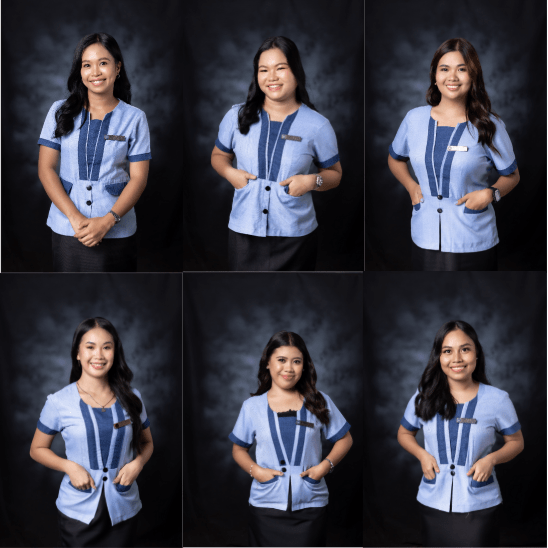
Nina: Lloyd C. Pantanosas, Trisha R Flores, Jerlyn B. Mariano, Ereca L. Pialago, Wamia Z. Satur, Emylin T.Batulat
ABSTRAK
Ang pag-aaral na ito ay naglalayong masusing suriin ang Beki Language o Gay Lingo bilang isang makabagong anyo ng wika sa konteksto ng kontemporaryong lipunang Pilipino, lalo na sa pamamagitan ng social media platforms gaya ng Facebook at TikTok. Isinagawa ang morpolohikal na pagsusuri sa apatnapung (40) salitang beki na nakalap mula sa nasabing mga plataporma. Ang mga salitang ito ay inuri batay sa mga proseso ng pagbubuo ng salita: panghihiram, pagpapalit ng pantig, pagdaragdag ng panlapi, paghahalo ng wika (code-switching/code-mixing), metatesis, at akronim.
Lumabas sa resulta na ang Gay Lingo ay hindi lamang anyo ng balbal na wika kundi isang malikhain at makapangyarihang instrumento ng komunikasyon, pagkakakilanlan, at kultural na ekspresyon ng LGBTQIA+ community at kabataang Pilipino. Ipinakita rin sa pag-aaral ang aktibong papel ng social media sa paglaganap at ebolusyon ng Beki Language bilang isang dinamiko at inklusibong bahagi ng wikang Filipino.
Inirerekomenda ang higit pang pananaliksik sa sintaktik at pragmatikong aspekto ng Gay Lingo, gayundin ang pagtalima sa etikal at sosyo-kultural na sensibilidad sa paggamit nito sa mga pampublikong espasyo at diskurso sa wika.
Mga Susing Salita: Gay Lingo, Beki Language, morpolohiya, social media, sosyolek, wika ng
Many still have the wrong impression. When you say you’re a Criminology student, the first question often is, “Where are you assigned?” or “Ma’am, are you already a police officer?” I just smile, but deep inside, I want to correct that misconception. The truth is—even if you graduate with a degree in Criminology, even if you pass the licensure exam, it does not automatically make you a police officer. Becoming one is a different process—more complicated, more difficult, and much more uncertain. And in that system, many of us keep pushing, keep dreaming, and sometimes… we get tired.
I didn’t realize it at first, but this is why I wrote this journal. This is my testimony—not just mine, but for countless other students like me. Not just in Criminology, but in every path where dreams are steep, opportunities are few, and clarity is rare.
When I first enrolled in college, I didn’t even know how to spell “Criminology.” I was just a simple child with a dream to become a police officer—unaware of the challenges that lay ahead. Balancing training, law procedures, academics, and minor subjects was exhausting. But thanks to our teachers and instructors, every day felt a little lighter. They gave meaning to our struggles.
In our final year, the biggest challenge arrived—our thesis. Sleepless nights, hunger, fatigue—but we survived. More than that, our group was recognized with an award during graduation day. It was one of the happiest moments of my life.
Then I reviewed for the board exam, and by God’s grace, I passed. But amidst all that joy, came the heaviest blow—I found my vision had deteriorated. And poor eyesight is a disqualifying factor in applying to the Philippine National Police. Some suggested laser surgery, but it cost more than a hundred thousand pesos—a luxury our family couldn’t afford. My father, a public-school teacher, was our only breadwinner. At a time when I should’ve been celebrating, I found myself lost. I asked myself: Should I continue this course if I knew I wouldn’t reach my original dream?
But I chose to finish. I told myself, “It would hurt more if I gave up now.” I graduated. I passed. I became a licensed Criminologist. But then came the real question: “What now?”
The truth is, Criminology graduates don’t have many options. Most companies don’t prefer our background. The usual opportunity available is to become a security guard. And while there’s nothing wrong with that post, I feared being belittle: d. I still hoped for something greater.
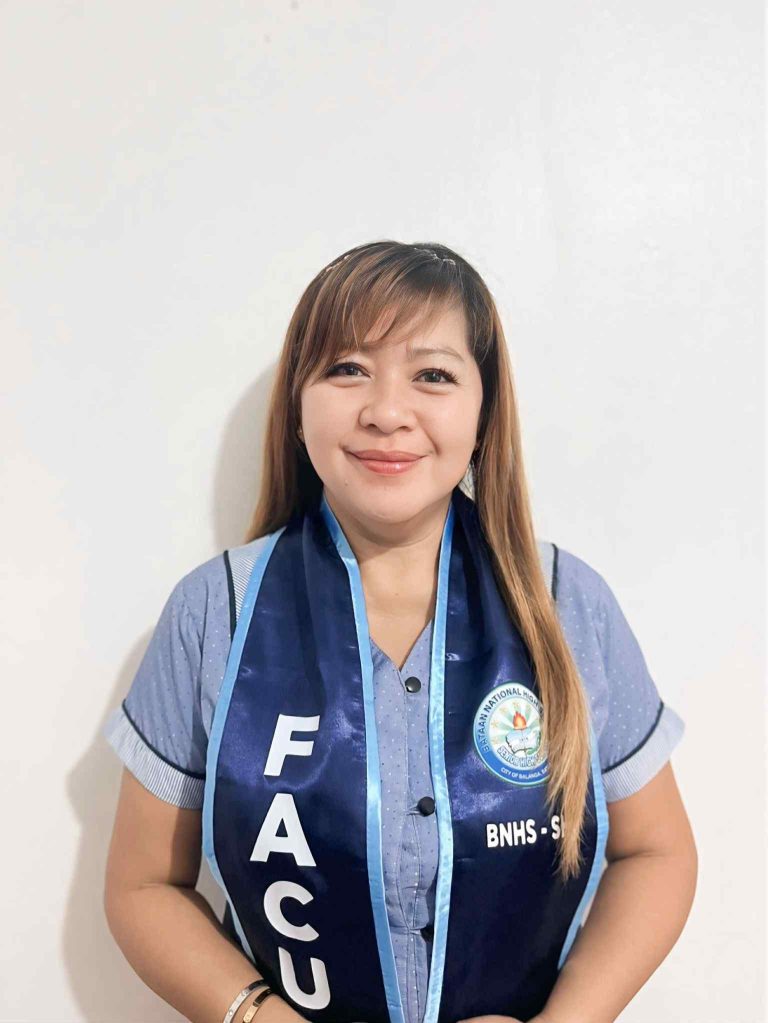
While working as an administrative assistant at the provincial government, I randomly asked a client—who happened to be a Dean—if they accept part-time Criminology instructors. By some miracle, they said yes. That’s how I started teaching in the evenings. And the more I taught, the more I loved it. It felt as though God was whispering, “This is where you belong.”
Soon after, the Department of Education gave me the opportunity to teach in Senior High School. I became the first teacher in our school to handle the Special Program in Criminology. From a child who once dreamed of wearing a badge, I was now guiding children who shared that same dream. And there, I found my purpose.
I may not have become a police officer, but every day, I stand before students—with eyes filled with dreams and hearts full of hope—who might someday become the kind of police this country deserves. If I can shape even just a few of them to be disciplined, ethical, and compassionate, then maybe… my dream did come true. Just not in the way I imagined.
From one dream to a thousand eyes. This is the story of a young girl who once dreamed, got hurt, stood back up, and is now being used by God to light the way for others.
And to you, who is reading this—whatever your course, whatever your struggles—if you feel like giving up, remember this: everything happens for a reason. You may not fulfill your dream the way you expected… but maybe God is fulfilling it in a way far greater than you ever imagined.
Not all dreams are fulfilled for ourselves. Sometimes, they are fulfilled for others.
—Acknowledgements—
I would like to express my deepest gratitude to the people and institutions who have been part of my journey:
To my college classmates, thesis buddies who became friends, and to Bataan Heroes College where I earned my degree – thank you for the memories and growth.
To Asia-Pacific College of Advanced Studies, for giving me my first opportunity to teach even without experience.
To the Provincial Government of Bataan, for accepting me and supporting me in a time of uncertainty.
To the Department of Education and Bataan National High School – Senior High School, for trusting me to teach the Special Program in Criminology.
To my family and inspiration, for their unwavering love and support.
To Abucay Christian Baptist Church, for spiritual guidance.
And to God, for redirecting my path toward a greater purpose.
This journey is not mine alone — it is built by grace and shared with those who believed in me.
Ang pag-aaral ay naglalayong suriin ang sosyo-kultural na aspeto ng ilang piling akdang pampanitikan ng Rehiyon XVIII (Guna, Mga Luha Para kay Tatay Jose, Pamalandong ni Antigo Mokayat, Panay kag Negros, at Pinustahan nga Gugma) upang ipakita ang sosyedad at pagkakakilanlan ng rehiyon. Sa pamamagitan ng pangunahing metodolohiya na kwalitatibong disenyo ng pananaliksik at pagsusuring pangnilalaman ay inalisa ang limang akda: dalawang maikling kwento at tig-iisang sanaysay, tula, at dulang isinulat ng mga manunulat mula sa Rehiyon XVIII. Ang pagsusuri ay nakatuon sa konteksto ng esteryotipong pangkasarian, kaugalian, kultura, paniniwala, at temang panlipunan kung saan lumabas sa resulta ng pag-aaral na nagsilbing salamin ng pamumuhay ng mga mamamayang taga Rehiyon XVIII ang mga akdang pampanitikang nagmula rito. Ipinakita ang matibay na ugnayan ng pamilya, mataas na pagpapahalaga sa paniniwala, at presensya ng mga isyu at realidad ng lipunan kagaya ng diskriminasyon, kahirapan, at kakulangan sa edukasyon. Masasalamin din sa akda ang patriyarkal na sistema na patuloy na umiiral sa lipunan bilang bahagi ng kulturang Pilipino. Iminumungkahi ng mga mananaliksik ng pag-aaral na ito na gamitin ang mga lokal na panitikan sa pagtuturo upang lubusang mapalawak ang kamalayan at pagkatuto ng mga mag-aaral sa sariling kultura at lipunan, gayundin upang maging sanggunian ng mga kaguruan at mananaliksik sa pagpapaunlad ng panitikang rehiyunal sa larangan ng edukasyon.
There was a time in my life when I believed that in order to matter, I had to be seen. That to truly prove my worth, I needed some form of acknowledgment—not necessarily grand awards or public praise, but even just quiet gestures: a word of thanks, a passing compliment, or a subtle nod that said, “You’re doing well. I see you.” I poured myself into everything—my work, my home, my responsibilities, even the smallest tasks—quietly hoping someone would notice. I wasn’t seeking applause; I was seeking assurance. I just needed to know that all I was doing counted for something.
And in that silent longing, I discovered something many of us carry quietly: the yearning for our unseen efforts to be recognized. Not to be applauded, but simply to be acknowledged. Teachers, caregivers, mothers, fathers, nurses, janitors, volunteers, friends who always show up, employees who stay late without being asked—so many of us live and serve in spaces where the light doesn’t reach. We don’t necessarily crave the spotlight, but we long for a moment when someone, somewhere, will simply say, “I see how hard you’re trying.”
But slowly, over time, life began to teach me something different. The lessons didn’t come in grand realizations or sudden clarity. They came quietly—in the stillness of exhaustion after a long day, in moments when no one said thank you, in seasons of giving my all and hearing nothing in return. I began to learn that not being seen does not mean not being significant. I started to understand that sometimes, the most important work is the work no one claps for. And in that quiet realization, something within me softened.
I began to listen more deeply—not to the noise of the world, but to the whispers of my own soul. And it told me: The most meaningful work is rarely celebrated. The most lasting legacies are often anonymous. And the most honest kind of light shines in places where no one is watching.
Working at Bataan National High School – Senior High School has only deepened that understanding. In education, the impact you make isn’t always tangible or immediate. You don’t always see the seeds you plant. No one stands up to applaud you for noticing a withdrawn student, or for gently guiding a learner who has been quietly slipping through the cracks. No one gives awards for staying up past midnight designing engaging lessons, or for finding the strength to walk into a classroom with patience after a sleepless night.
Yet, it is in those very moments that the heart of what we do is found. Not in the announcements or certificates, but in the quiet consistency of showing up for others—especially when it’s hard.
And these lessons aren’t confined to the classroom. I see them all around me.
I see them in the father who quietly sacrifices his rest to work multiple jobs, just so his children can pursue their dreams—even if no one ever thanks him.
I see them in the mother who quietly holds the family together, even when she’s unraveling on the inside. She hides her pain behind her strength, and no one knows the cost.
I see them in the friend who checks in on others constantly, even though she’s the one who could use someone asking, “How are you, really?”
I see them in the coworker who brings a little light into the room each day, who never asks for recognition but makes the day better just by being kind.
I see them in the helper, the cleaner, the maintenance worker, who keeps everything running while others barely acknowledge their presence.
And I see them in people like you and me—those who continue to give, even when the world forgets to say thank you.
There is a quiet kind of dignity in these lives. A kind of nobility that doesn’t need a spotlight. A strength that exists not in being known, but in being faithful. A deep beauty in choosing to keep giving, even when it goes unseen.
For a long time, I thought I had to be in the spotlight to matter. I thought I had to prove my worth through recognition. But now, I see clearly: there is more strength in being rooted than being noticed. There is more power in purpose than in praise. And there is more peace in serving quietly than striving constantly to be seen.
Letting go of the desire to be seen was not an act of defeat—it was an act of becoming. It was not about giving up; it was about growing in. I stopped searching for confirmation and started cultivating intention. I began valuing the why behind my actions more than the who’s watching. And the truth is, when you do what you do with love, that love becomes the reward in itself.
I’ve learned that you don’t have to be in front of the crowd to lead. You don’t have to have an audience to make a difference. You don’t need recognition to live a life that matters.
There’s a quiet joy in being in the background. A kind of sacred fulfillment in lifting others without needing to be lifted. In building something strong without ever signing your name. In holding space for others to shine, while being content in your own shadow. And in those moments—when I see a student smile with newfound confidence, or when a colleague breathes a little easier because I helped in some small way—I feel a sense of light within me. A light that doesn’t come from being seen, but from simply showing up.
This doesn’t mean I never feel invisible. I still have those days. Days when I wonder, Is this enough? Does it matter? Days when I crave even just one person to say, “I see you.” But those moments no longer define me. They no longer steer my decisions. I’ve learned to let them pass—like waves. And when they do, I return to what grounds me: the truth that I am enough, that my work has value, and that my worth is not up for debate.
Because now, I understand that the people who inspire me most are not the ones in the headlines. They are the quiet heroes. The ones who lead with grace. The ones who serve with no agenda. The ones who stay soft in a hard world. The ones who are faithful in the little things.
That’s who I want to be.
I want to shine not through applause, but through authenticity. I want to be remembered not for the times I stood in the spotlight, but for the times I stood by someone’s side. Not for being celebrated, but for being consistent. For being kind. For being someone others could count on.
In a world that urges us to be visible, to be loud, to be impressive—I want to be present. I want to be real. I want to be quietly powerful. I want to know that I loved well, gave freely, served sincerely, and showed up wholeheartedly—even when no one was watching.
So to anyone who feels tired, unappreciated, or unseen—I hope you know that you matter. I hope you know that your quiet perseverance is noticed, even if not by the world. I hope you know that your light doesn’t need a spotlight to shine. It only needs to be true. And if you keep showing up with love, that love will echo in ways you may never even realize.
This is the life I choose every day. A life of quiet courage. A life of humble service. A life not built on accolades, but on alignment—with my values, with my purpose, with the deeper truths that guide me.
I shine not because the world says I do, but because I know I’m walking the path I was meant to walk. I shine in the patience I offer when I’m frustrated. I shine in the grace I extend when I’m hurting. I shine in the work I do, even when no one is clapping. And I shine in the way I lift others, not to be praised, but because lifting is what love does.
My light doesn’t need to be announced, magnified, or broadcast. It simply needs to be mine. And it needs to come from a place of love, truth, and unwavering purpose.
And that, I’ve come to understand, is more than enough.
They say your twenties are supposed to be the best years of your life—a time of exploration, freedom, growth, and becoming. But no one tells you how lost you might feel while everyone around you seems to have it all figured out. No one warns you that your twenties might be less about living your best life and more about learning how to survive the weight of your own expectations. For me, this decade hasn’t felt like a highlight reel. If anything, it’s been the most confusing, uncomfortable, and emotionally raw season I’ve ever walked through.
From the outside, it might look like I’m doing well. I graduated from college, passed the licensure exam on my first try, and stood proudly during my oath-taking as a professional educator. I landed my first teaching job—something I once only dreamed of. These are the moments people tend to see: the achievements, the polished photos, the checkmarks. But what followed those milestones wasn’t peace or certainty. It was pressure. It was self-doubt. It was waking up every morning thinking, Now what?
I thought success would feel more solid. That checking boxes—degree, license, job—would finally bring me a sense of security. But instead, my twenties have taught me that each accomplishment only opens the door to more questions: Am I doing enough? Am I behind? Am I making the most of this season, or just surviving it?
The hardest part is how lonely it can feel. Not because I’m alone, but because so much of this journey happens quietly, beneath the surface. Everyone’s trying to figure it out in their own way, but no one really talks about it. We post our wins and filter out the rest. And so, even though we’re all walking through the same fog, it often feels like we’re doing it alone. I scroll through social media and see friends getting promoted, getting engaged, moving abroad, or starting their own businesses. And while I’m genuinely happy for them, I sometimes wonder: Am I falling behind?
But even in the mess, there’s a soft, unshakable truth I’m beginning to realize: I will never be this young again.
There’s something sacred about this time, even with all its confusion. Even when I feel lost. Even when I don’t know who I’m becoming. One day I’ll be older and look back at this version of myself—the girl who showed up to her classroom with trembling hands but a brave heart, who stayed up late lesson planning and still doubted herself in the morning, who felt everything deeply and kept going anyway. I’ll remember her. I’ll be proud of her. I might even miss her.
That thought alone makes me want to embrace this era more fully, discomfort and all.
In your twenties, people tell you to dream big, to say yes to every opportunity, to live with no regrets. But what they don’t tell you is how exhausting that can feel. The world expects you to build a career, find love, stay healthy, look good, manage your finances, maintain friendships, and somehow stay inspired through it all. Sometimes I feel like I’m juggling ten versions of myself—each one trying to meet a different expectation. And sometimes, I’m just trying to get through the day with enough energy to eat dinner before falling asleep.
Still, I’ve come to understand that growth in your twenties doesn’t always look like big, bold moments. Sometimes it looks like getting out of bed on a hard morning. Sometimes it looks like crying quietly in the bathroom during your break, then walking back out with a smile because your students are waiting. Sometimes it’s canceling plans to rest. It’s choosing to breathe through the anxiety. It’s doing your best when you feel like you have nothing left. And all of that—that quiet strength—is worth honoring too.
There’s an invisible pressure in this decade to know who you are and where you’re going, to build your “dream life” while pretending you’re fine. But I’ve learned that this era is less about certainty and more about unlearning. Unlearning what I thought success had to look like. Unlearning the belief that I must earn my worth. Unlearning the idea that being unsure means I’m failing.
This season is humbling. Careers aren’t linear. Friendships shift. People you thought would stay drift away. Plans you were so sure of start to feel distant. Some days feel like I’m walking in circles, only to end up right back where I started. But maybe that’s okay. Because this is also the time when I’m learning how to sit with uncertainty. How to listen to my own voice. How to be soft and strong at the same time.
There are days when I mourn the version of me who was once so sure, so bold, so certain of what she wanted. The younger version who believed that if she just worked hard enough, things would fall into place. And while I miss her simplicity and fire, I don’t want to go back. Because slowly, I’m learning to love this new version of myself—one who asks deeper questions, feels more, reflects more. One who doesn’t have all the answers but chooses to keep showing up anyway.
This version of me isn’t perfect. She cries. She overthinks. She questions. She doubts. But she also hopes. She loves deeply. She tries hard. She shows up. And maybe that’s what being in your twenties is really about—not mastering life, but learning how to live it while holding space for your own becoming.
There’s something incredibly brave about simply trying. About showing up to your life every day even when it doesn’t feel glamorous. About choosing to believe that your path, with all its detours, is still worthy. I think we need to talk about that more. We need to remind ourselves that it’s okay to grow slowly. That healing, figuring things out, and becoming the person you’re meant to be isn’t a race. It’s a process. A sacred one.
Being one of the youngest educators at Bataan National High School – Senior High School, I’ve felt the weight of comparison in unexpected ways. My colleagues are in their 30s, 40s, and 50s—seasoned, experienced, sure of their footing—while I’m still figuring out who I am in my twenties. There are moments I feel like I’m racing to catch up, trying to match their composure, their confidence, their certainty. They move with an ease that only comes with time and experience, and some days, I can’t help but feel like a little girl wearing shoes far too big for her feet.
But I’ve come to understand that we’re not meant to be on the same timeline. I’m not behind—I’m just at the beginning of my own story. I’m still learning, still stumbling, still finding my voice. And that beginning, with all its growing pains and quiet victories, is still valid. Still worthy. Still beautiful. I’ve learned to stop measuring my progress against someone else’s middle. I’ve started to honor my own pace.
And so, to anyone else in her twenties—especially those trying to find their place in a world that expects so much from you so soon—please don’t rush through it. Don’t wish it all away just to feel “figured out.” Enjoy being young while you’re still young. Take the trip. Laugh a little louder. Cry when you need to. Let go of the pressure to have it all together. This is your becoming, too. It’s messy, it’s real, and it’s entirely yours to live.
Talk to your friends—not just about the good things, but the hard ones too. Be honest about your struggles. Tell someone you’re proud of them. Let someone tell you they’re proud of you. We’re all just trying to figure it out together. We all feel lost sometimes, and we all need a little reminder that we’re not alone in that.
You’ll never be this young again. So live it fully—even if you’re scared, even if it’s hard.
Because one day, you’ll look back and realize: this was the season that quietly shaped you into everything you were meant to be. The nights you stayed up overthinking. The mornings you showed up tired but present. The tears you cried on your own. The silent victories no one saw but you. They all mattered. They were all part of the becoming.
This is not the end of the story—it’s the tender, unfolding middle. The part where you’re not yet who you’ll be, but you’re no longer who you were. And maybe, just maybe, that’s the most sacred part of all.
So for now, I’ll honor this version of myself—the one still growing, still dreaming, still trying. Because she is enough. Because she is brave. Because she is still becoming.
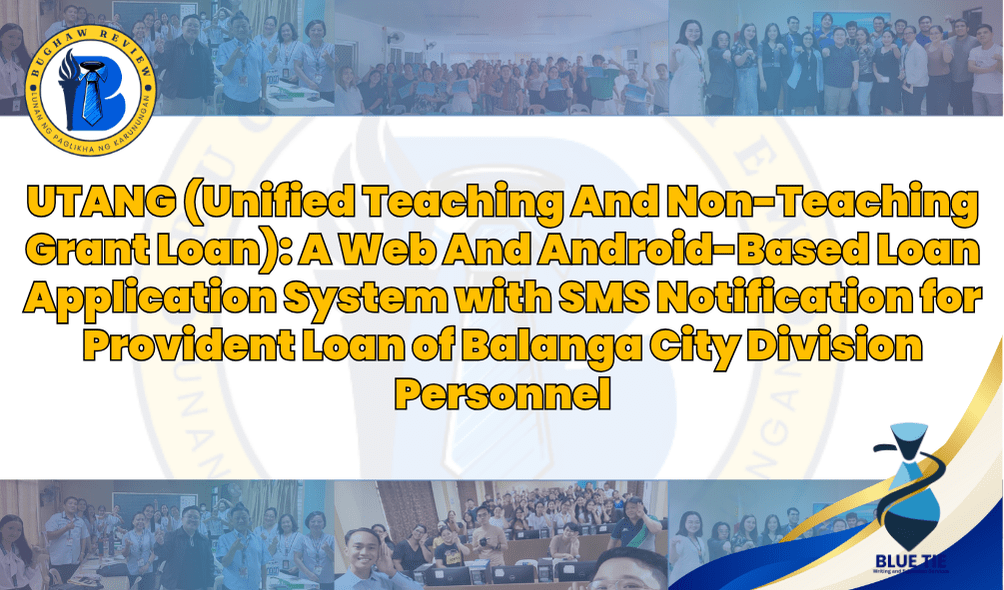
The study presents the development and evaluation of UTANG (Unified Teaching and Non-Teaching Grant Loan), an information management system designed for the efficient administration of provident fund grant loans for personnel within the Balanga City Division. The objective is to create a user-friendly and accessible platform that combines web and Android-based applications, incorporating SMS notifications for timely updates. This research adopted a Research and Development (R&D) methodology, with an emphasis on an iterative development model to address the dynamic nature of the project. The study progressed through phases of synthesis, exploration, implementation, and evaluation, guided by the ISO 25010 criteria for comprehensive quality assessment. The UTANG system consists of two main modules: an online application platform for system administrators and an Android-based application for member-loaners. The system underwent development and testing phases, utilizing an iterative approach to ensure flexibility and adaptability. The evaluation, conducted by ICT experts and system users, employs the ISO 25010 quality model. Results indicated that the UTANG system successfully achieves its objectives. The online application platform enhanced administrative efficiency, providing system administrators with real-time insights and streamlined control over provident fund transactions. The Android-based application offers an intuitive and user-friendly interface for member-loaners, simplifying the loan application process and providing consolidated views of loan statuses. The ISO 25010 evaluation underscored the system’s excellence, with high ratings across all quality characteristics. The study recommends continuous user training, integration with existing systems, anticipation of future growth, knowledge transfer plans, and a systematic feedback mechanism for ongoing improvement. UTANG stands as a valuable tool for enhancing the financial well-being of Balanga City Division Personnel, aligning with the dynamic needs of the locale.
Keywords: Provident Fund, Loan Application System, Information Management System, ISO 25010, Android-Based Application.
Joel Evangelista, Agnes R. Diosana, Julie Ann M. Mesa, Pat Rhea B. Nonifara, Guia C. Osorio, Regine P. Rosalio, Angie A. Sinilong
ABSTRAK
Ang pananaliksik na ito ay naglalayong suriin ang representasyon ng kasarian, edad, etnisidad, estado sa buhay, at pagkakapantay-pantay sa limang piling kontemporaryong pelikulang Pilipino: Liway (2018), Lola Igna (2019), Respeto (2017), Bakwit Boys (2018), at Ang Pagdadalaga ni Maximo Oliveros (2005). Isinagawa ang pag-aaral sa pamamagitan ng kwalitatibong content analysis, gamit ang Representation Theory ni Stuart Hall at Intersectionality ni Kimberlé Crenshaw. Ipinakita sa resulta na ang mga pelikula ay nagsisilbing makapangyarihang midyum sa pagbubunyag ng mga sistemikong isyu ng diskriminasyon at stereotyping. Malinaw ang representasyon ng patriyarkal na pananaw sa kababaihan sa mga pelikulang Liway at Respeto, habang inilahad sa Bakwit Boys ang mga limitasyon sa papel ng kababaihan sa tradisyonal na balangkas. Sa kabilang banda, positibong naipakita sa Ang Pagdadalaga ni Maximo Oliveros ang pag-angat ng boses ng mga LGBTQIA+ sa kabila ng diskriminasyon. Inilahad din sa mga pelikula ang ageism, hindi pagkakapantay sa estado sa buhay, at marginalisasyon ng mga etnikong grupo sa lipunan.
Sa kabuuan, lumilitaw sa pag-aaral na ang pelikula ay hindi lamang salamin ng realidad, kundi nagsisilbi ring kritikal na plataporma para sa panlipunang pagbabago. Pinagtitibay ng pananaliksik ang pananaw nina Janowska (2024) at Velasquez & Orobia (2024) na ang inklusibong nilalaman sa media ay may kapangyarihang baguhin ang pananaw, bawasan ang pagkiling, at itaguyod ang isang mas makatarungan at pantay na lipunan.
Mga Susing Salita: Pelikulang Pilipino, Representasyon, Diskriminasyon, Kasarian, Edad, Etnisidad, Pagkakapantay-pantay, Intersectionality, Representation Theory
The learner demonstrates understanding of:1. the range of research topics in the area of inquiry2. the value of research in the area of interest3. the specificity and feasibility of the problem posed
Performance Standards
The learner is able to: 1. formulate clearly the statement of research problem
Learning Competencies/ Objectives
The learner is able to: write a research titleCS_RS12-Id-e-2Specific objectives: At the end of the lesson, 100 % of the students with at least 80% level of proficiency are expected to: recognize the characteristics of a good research title; value the importance of writing a good research title and; construct a research title to complete graphic organizer.
CONTENT
Subject Matter:
Writing a research title
LEARNING RESOURCES
References
Teacher’s Guide Pages
Senior High school Curriculum Guide/ Most Essential Learning Competencies in Practical Research 2
Learner’s Material Pages
Textbook Pages
Lecture No. 4 Page 1
Additional Materials from learning resource (LR) Portal
RECAP Based on what we have discussed about the ways of formulating a research problem,
Reviewing previous lesson or presenting the new lesson
The students will identify the 5 ways on how to formulate research problem based on the given lyrics of the song. (the teacher/students will sing the Research problem song)
Establishing a purpose for the lesson
FILM ANALYSIS:GUESS THE TITLE The teacher will present an excerpt from a short film, then the teacher will ask a volunteer to guess the title of the movie. The first student to guess the title will earn two points. 1. 2.
Presenting examples/instances of the new lesson
PROCESS QUESTIONS: What does a title stand for? Why are titles important? In what aspects of your life can titles be essential? How do you think writing titles play a role in the research process?
Discussing new concepts and practicing new skills #1
1. What is a Research Title? -summarizes the main idea or ideas of the study and describes the contents and/or purpose of a research paper. TASK: VOCABULUHAN Match the meaning of the terms in column A to column B BSpecific A. appropriate to the current time, periodMeasurable B. within the specific period of timeAttainable C. reasonable and realisticRelevant D. goal, variables and localeTime bound E. quantifiable data and resultsINDIVIDUAL TASK: Students will be given petals where terms or descriptions are printed, they will identify if the terms are components of a Research Title. If it is a component, they will post the petals to complete the flower diagram.
Discussing new concepts and practicing new skills #2
Developing mastery (leads to Formative Assessment 3)
Following the characteristics of writing research title, find the words that will complete the title below. Enhancing ________Experience: A ______Study in the University Canteen Services ( CUSTOMER, CASE ) Challenges for New ________ and Ways of ______ with them. (TEACHERS, COPING) “An _____________study of the _________of online gaming communities” (ETHNOGRAPHIC, CULTURE) “Negotiating identity: A grounded _________Exploration of ________ + Coming-out Experiences” (THEORY, LGBT+) The _________Phenomenon of __________Online Buying: Its Causes, Triggers, and Effects on Consumer’s Emotional Behavior. (BOOMING, IMPUSIVE)
Finding practical applications of concepts and skills in daily living
GROUP TASK: FILL THE GAP The teacher will ask each group to bring out their marker and manila paper. The students will collaborate to decide and write the correct arrangement of the given title which is mentioned in classifying titles to produce/create a good research title. The students will post their final answers on the table provided. Time Limit 3 minutes. QUESTION: From our activity, why do you think writing a good research title is important?
Making generalizations and abstractions about the lesson
WRAP UP: What do you remember? 1. What are the characteristics of a research title based on SMART approach?2. What are the components of a research title?3. How do you think that writing a Research Title learning contributes to your respective field (ABM)?
Evaluating learning
MULTIPLE CHOICE: What does Specific mean?Goal, variables, localeQuantifiable data and resultsAppropriate to the current time, periodreasonable and realisticWhich among the following is NOT a component of a Research title?\Novelty c. Setting16-20 words d. Research GapWhy do you think writing the research title important?to capture the reader’s attention to highlight the research problem under investigation. serves to attract attentionall of the aboveEnhancing Customer Experience: A Case Study in the University Canteen Services: CASE STUDY; The homeless population in the UK; _____________“Negotiating identity: A grounded Theory Exploration of LGBT + Coming-out Experiences”: GROUNDED THEORY; ___________________: Challenges for New Teachers and Ways of Coping with them. 6-10 Create a title using the following words: Enhancing, Customer, Experience, Canteen, Services, Study A Case, in the University
Additional remediation activity- additional readings for references Mothering on Labels Following the characteristics/ components and the principles of writing a good research title, create a title related to your group research topic. See Rubric below
Lately, I’ve been taking quiet moments to reflect on how my journey as a new teacher is unfolding. Beginning my path here at Bataan National High School – Senior High School has been nothing short of transformative. It has been a whirlwind of emotions—excitement, anxiety, pride, and above all, a profound sense of self-discovery. Each day feels like both a gift and a test, a moment to be grateful for and a challenge to rise to. I’ve been entrusted with the incredible privilege of teaching both Grade 11 and Grade 12 students from a variety of strands. It’s an opportunity that many would dream of, and I don’t take it for granted. But I’d be lying if I said it hasn’t also felt overwhelming at times.
Every time I walk into the classroom, there’s a flicker of disbelief. It still feels a little surreal. Not too long ago, I was the one sitting in a student’s chair, quietly listening, taking notes, dreaming of what could be. Now, I find myself standing at the front—trying to inspire, trying to lead, trying to be someone my students can learn from. It’s a beautiful shift, one I’ve worked hard for, but also one that carries a weight I hadn’t fully anticipated. There’s a quiet pressure in knowing you’re shaping young minds, that what you say and do might leave an imprint that lasts far beyond a school year.
As someone who is still young, still learning, still growing, I find myself frequently asking: Am I doing this right? Are my students truly learning? Am I making even a small difference in their lives? These questions echo in my mind during quiet moments after class, and sometimes even louder in the middle of a lesson. But over time, I’ve come to see that perhaps this uncertainty isn’t something to fear. Maybe it’s part of what makes teaching so deeply human.
Teaching, I’ve realized, isn’t about having all the answers. It’s not about being flawless or always getting things right. It’s about being present—truly present. It’s about being real, showing up with your whole self, and being willing to grow through both triumphs and missteps. I’m not just leading my students; in many ways, I’m learning alongside them. As they navigate their own paths, discovering who they are and who they want to become, I’m right there with them, taking my own steps forward, one at a time.
Every class I teach presents new challenges and new opportunities. Each student is unique, bringing with them a different set of strengths, struggles, and stories. Teaching students from various strands has taught me to adapt—to stretch my creativity, my patience, and even my capacity to understand. It’s not always easy. There are moments when I question whether I’m reaching them, whether I’m speaking in a way that connects. But in those same moments, I’ve discovered something unexpected: teaching is just as much about listening as it is about speaking. It’s about paying attention, not just to the answers they give, but to the silences in between.
Over time, this practice has softened me. It’s taught me compassion, empathy, and a kind of strength I didn’t know I had. When you see your students for who they truly are—not just learners, but individuals with their own battles and dreams—you can’t help but grow in ways that textbooks could never teach you. Every interaction, every challenge, every breakthrough shapes me into the kind of teacher—and person—I aspire to become.
I’ve never been one to chase the spotlight. I don’t need to be the most praised or the loudest voice in the room. What I long for is something quieter, but just as powerful—a chance to make a lasting, heartfelt impact. I want to be the kind of teacher who makes students feel seen, heard, and safe. The kind who leaves a quiet legacy, not through awards or recognition, but through kindness, presence, and sincerity. I want to grow slowly, like a flower that blooms not for applause, but to bring beauty and light to the space it inhabits.
And recently, I’ve begun to treasure the quiet victories. The ones that go unnoticed by most, but mean the world to me: a student finally grasping a difficult concept after days of struggle, a quiet “thank you” murmured on their way out the door, a once-silent voice now speaking with confidence during discussions. These are not grand, sweeping achievements, but they are profound in their own right. They are reminders that what I do matters, even when no one else sees it.
Being a teacher, I’ve learned, isn’t about standing above others. It’s about walking beside them. It’s about being a steady presence in a world that often feels uncertain. Sometimes it means holding space for a student who just needs someone to listen. Sometimes it means adjusting your lesson plan because the energy in the room tells you something deeper is needed. It means showing up, day after day, with a heart willing to give—even when it’s tired.
This journey has taught me that success in teaching isn’t always measurable. It isn’t just about grades or outcomes or performance metrics. Sometimes, success looks like trust. It looks like a student choosing to open up, to try again, to believe in themselves. And sometimes, success is simply in the showing up—being present, offering what you can, and knowing that your consistency alone may be the light someone else needs.
I’m still new to this. Still unsure. Still learning every single day. But I’m here. I show up with an open heart, a willing spirit, and the hope that each day brings another chance to do a little better, to reach a little farther, and to love a little deeper. I’m learning from my students just as much as they’re learning from me. And in that shared journey, there’s a kind of quiet magic—one that doesn’t shout, but whispers its truth in soft, powerful ways.
We’re all blooming—together. Slowly, imperfectly, quietly. And in our own way.
And honestly, I think there’s something deeply, profoundly beautiful in that.











 Bughaw Review